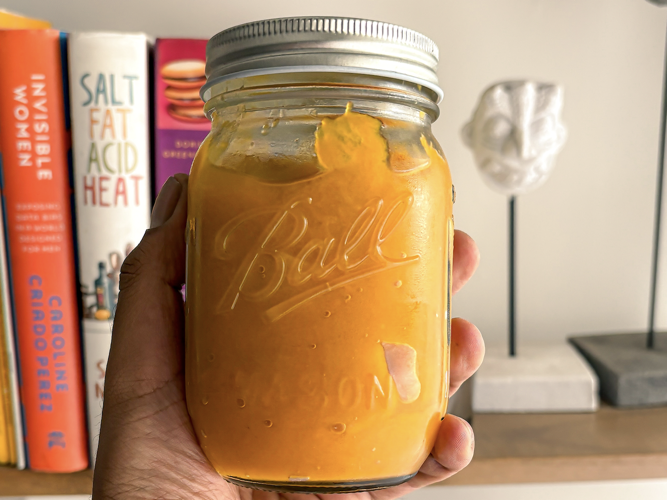
Narangi Orange Marmalade
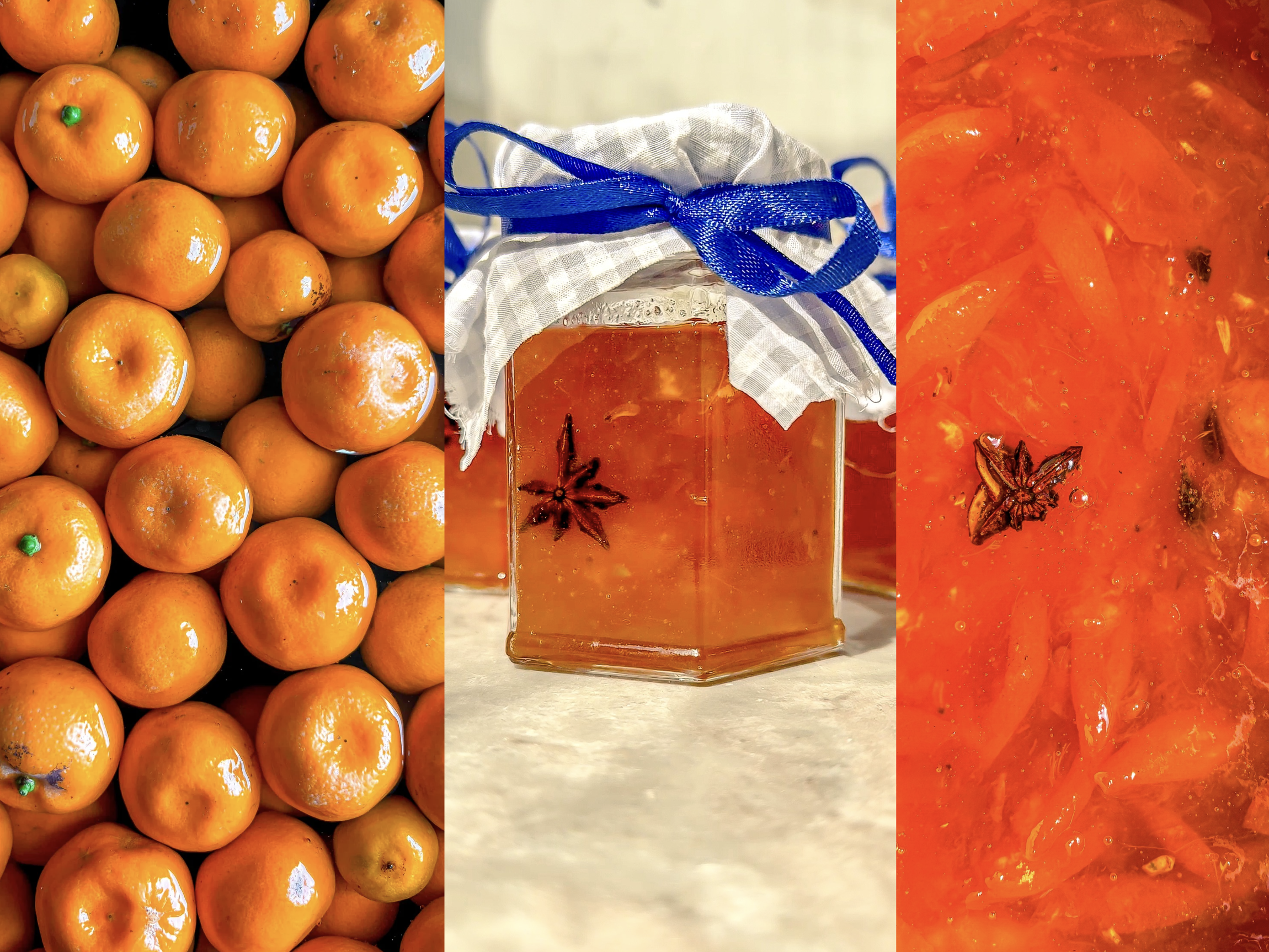
A winter preserve that turns sharp citrus into something slow and generous.
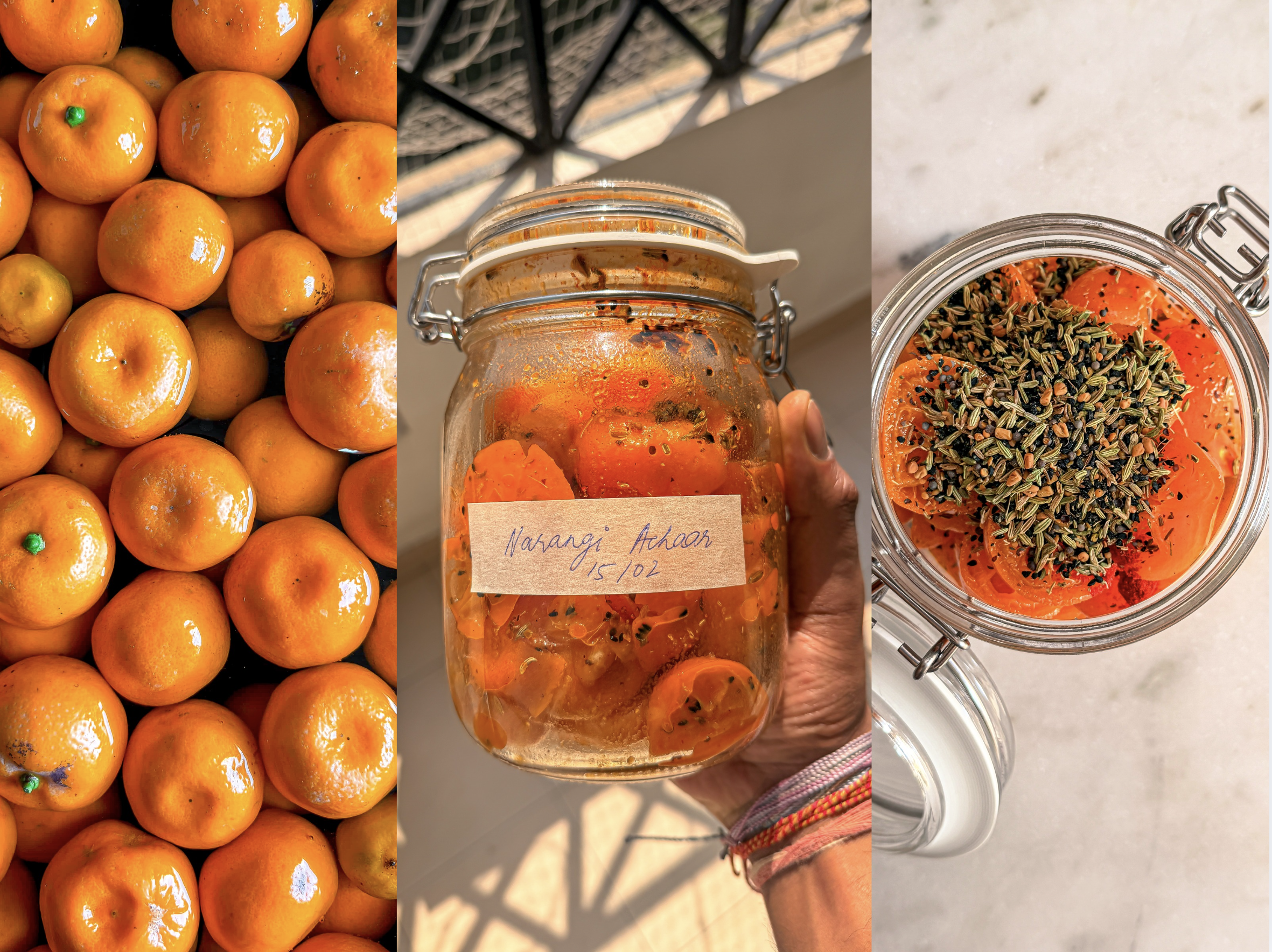
Every winter, narangis quietly take over.
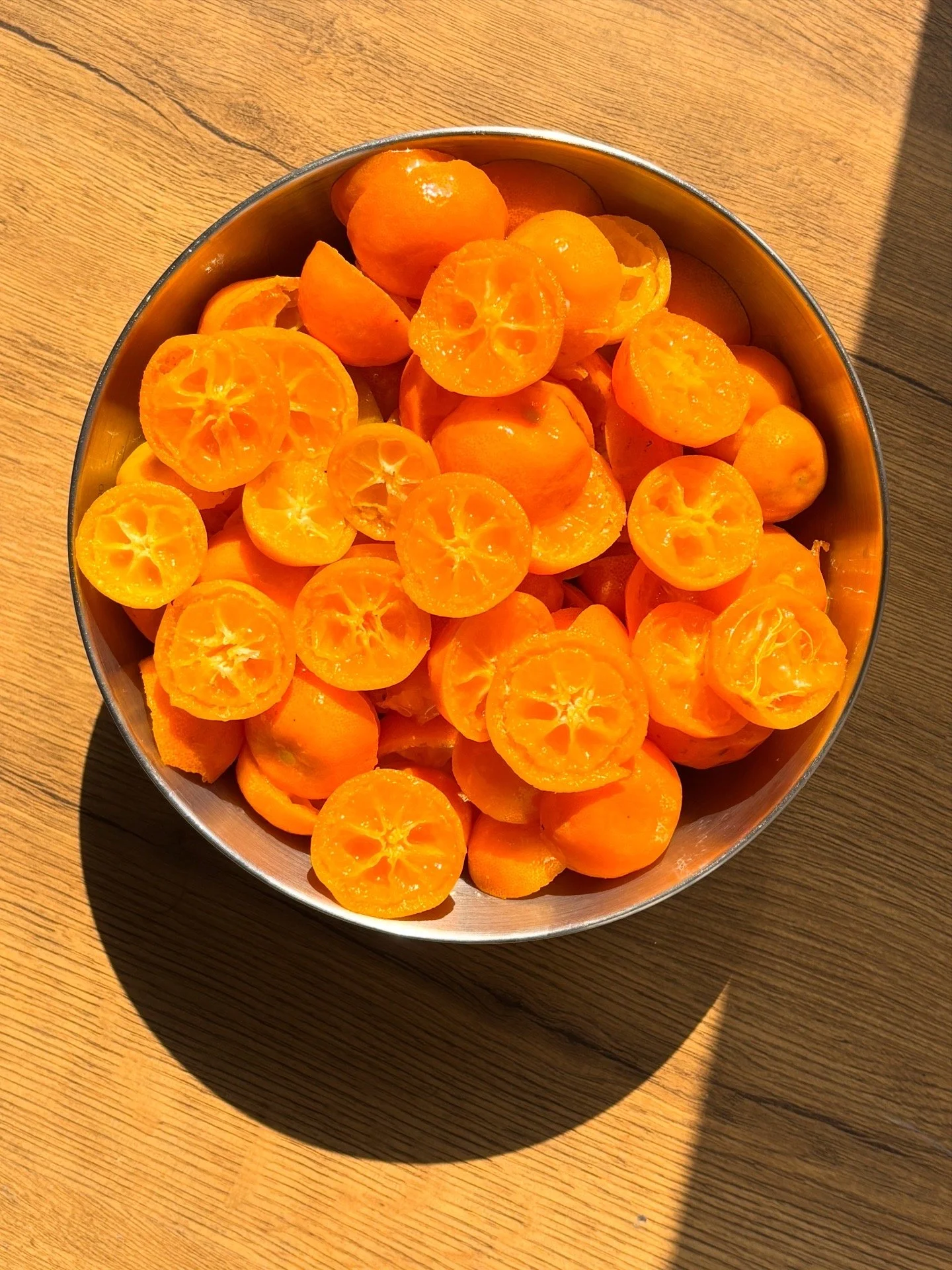
They show up in fruit bowls, on kitchen counters, in cloth bags handed over by neighbours. Small, bright, and deceptively cheerful. But bite into one and you’re reminded — these are not sweet commercial oranges. They’re tart. Bold. Almost impatient.
And that sharpness is exactly what makes them perfect for marmalade.
Most of what we call narangi in North India are mandarins or kinnow-type citrus. Their peel is thin but intensely aromatic. Their natural pectin content is high. Their bitterness sits just below the surface. When cooked gently with sugar, all of that tension softens and transforms into something layered and deeply fragrant.
This Narangi Orange Marmalade is intentionally simple. No straining. No elaborate techniques. Just slow heat, time, and patience.
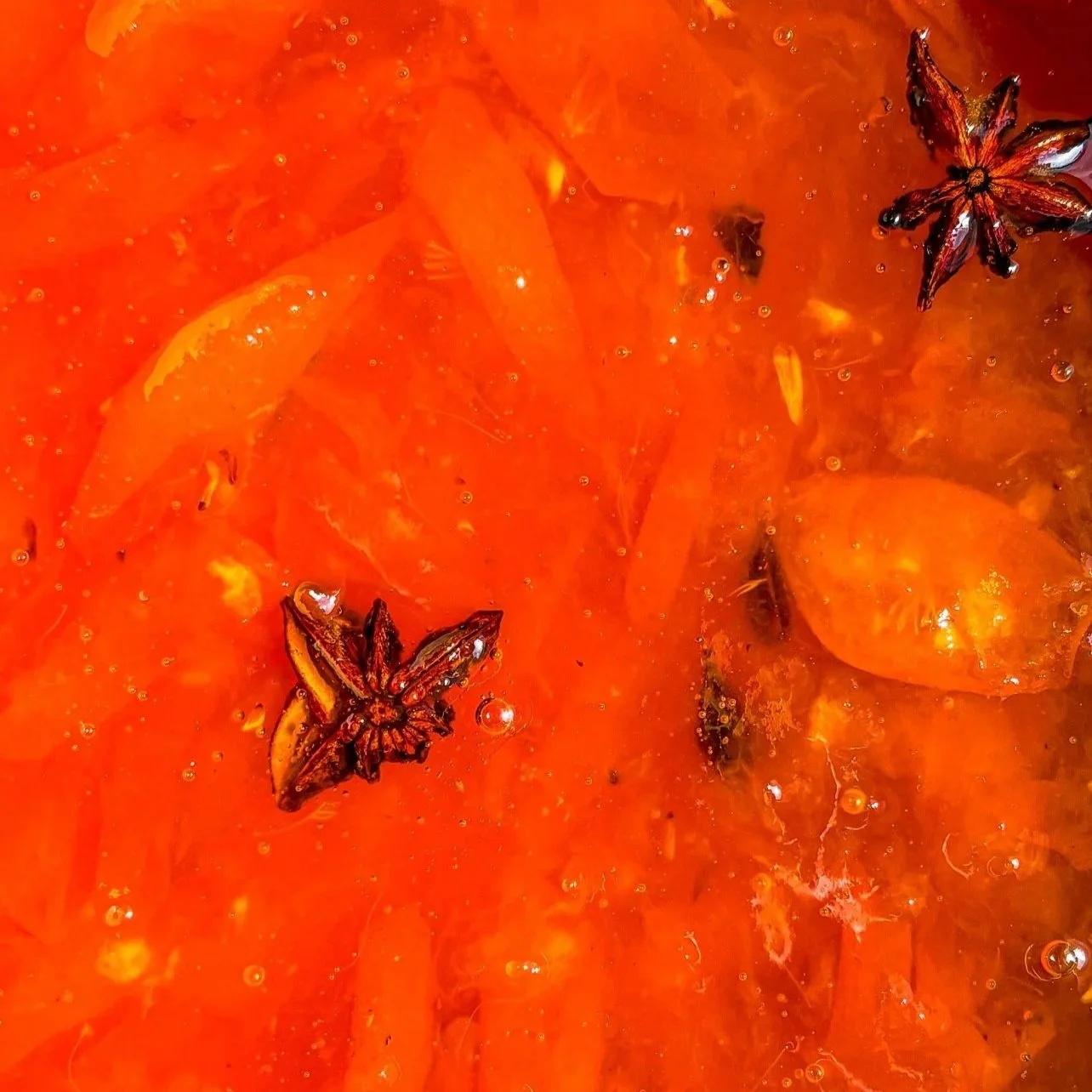
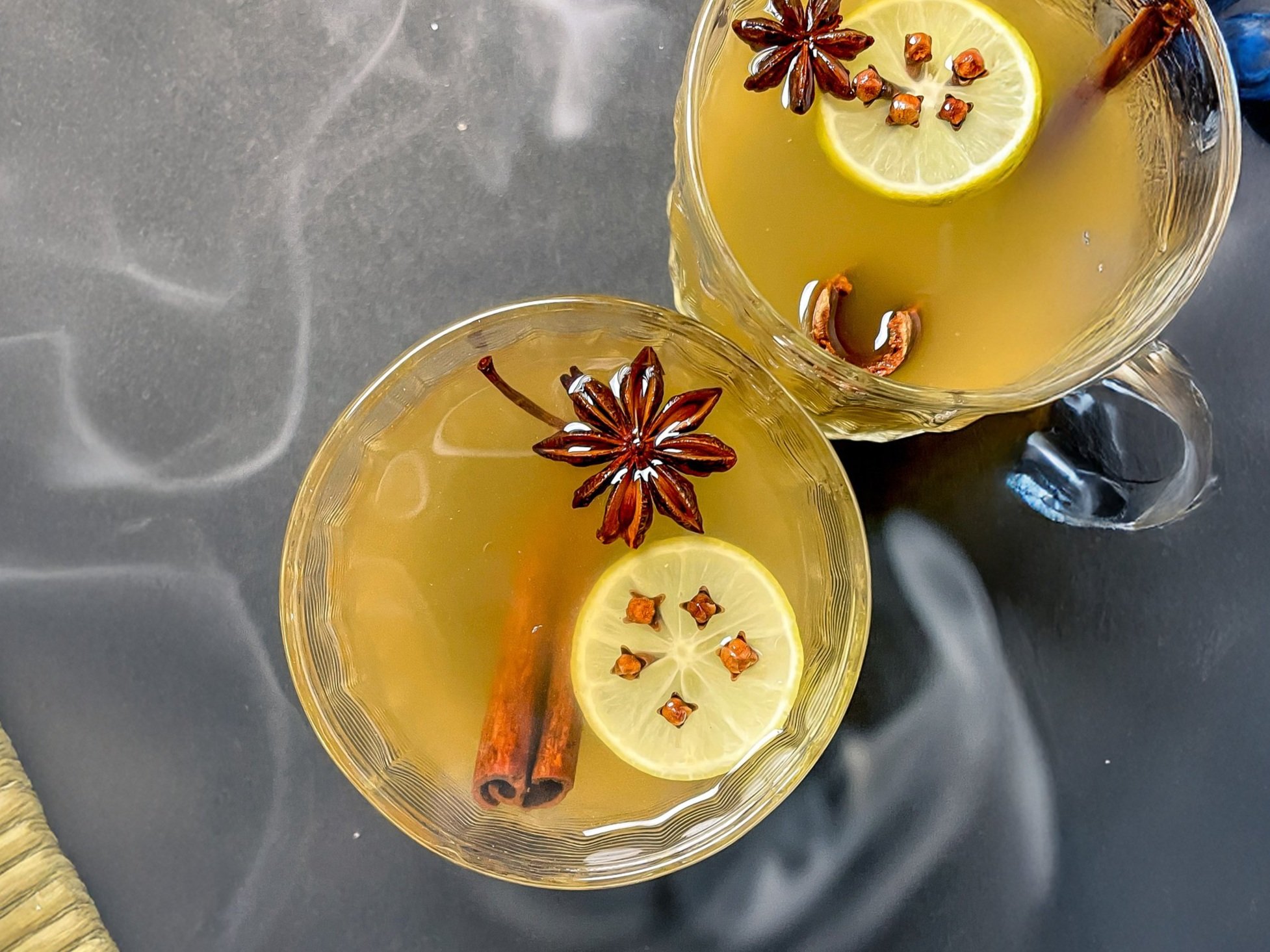
You begin by letting the fruit cook down on its own. Covered, gently simmered, until the juices release and the peel softens. The star anise — just two or three pieces — doesn’t overpower the citrus. It simply sits in the background, adding warmth and a quiet depth.
Then comes the sugar.
Equal weight to fruit. It sounds like a lot, but this is marmalade. The sugar doesn’t just sweeten — it preserves, thickens, and stabilises. As it cooks, the peel releases natural pectin, helping the mixture set without needing anything artificial.
A touch of lemon juice sharpens the citrus profile. A teaspoon of salt rounds everything out. And then you wait — watching it slowly turn glossy, thick, and syrupy.
The cold plate test is the simplest way to know it’s ready. A spoonful placed on a chilled plate should wrinkle slightly when nudged, leaving a slow streak. That’s your cue.
What starts as something almost too tart to enjoy becomes something you can spread over sourdough, spoon into yogurt, glaze over roast chicken, or even pair with a sharp cheese.
Winter, preserved in a jar.
Recipe
Ingredients
1 kg narangis, halved or quartered (seeds removed as much as possible)
1 kg sugar
2–3 whole star anise
1 tablespoon lemon juice
1 teaspoon salt
Method
Wash the narangis thoroughly and slice them into halves or quarters. Remove as many seeds as possible.
Add the fruit to a heavy-bottomed pan. Cover and cook on low heat for about 15 minutes, allowing the juices to release and the peel to soften.
Add 2–3 pieces of star anise and continue simmering gently.
Once the mixture is juicy and softened, add 1 kilogram of sugar. Stir to combine.
Cook for about 8 minutes, stirring occasionally.
Add the lemon juice and salt. Stir well.
Continue cooking for another 8–10 minutes, until the marmalade thickens.
To test: place a spoonful on a cold plate. Let it sit for 30 seconds and gently push it. If it forms a slow wrinkle or streak, it’s ready.
Remove from heat and let cool slightly.
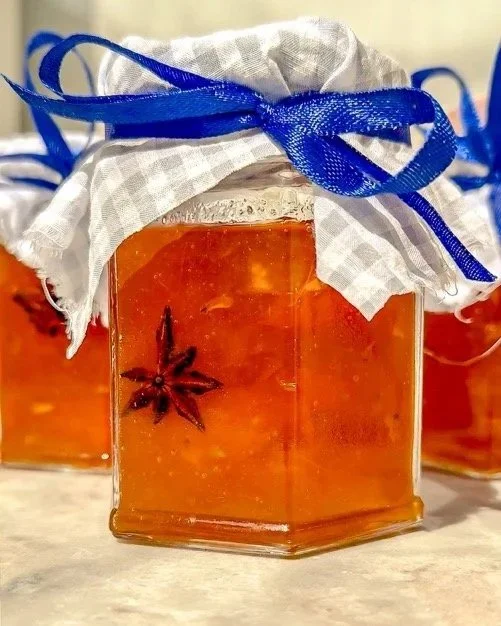
Transfer into sterilised jars and seal.
Shelf Life
Because this marmalade uses sugar equal to the fruit’s weight, it has a high natural preservation capacity.
In sterilised, airtight jars: 6–12 months unopened if stored in a cool, dark place.
Once opened: refrigerate and use within 3–4 weeks.
Always use a clean, dry spoon when serving to extend shelf life.